PMOS: Why the Renaming of PCOS Is a Powerful Step Forward for Women’s Health
For years, women living with PCOS have known that the name never fully reflected the reality of what they were experiencing.
The fatigue that felt impossible to explain. The insulin resistance and weight fluctuations that were often dismissed. The acne, hair changes, irregular cycles, fertility struggles, inflammation, anxiety, and constant feeling that something in the body was “off,” even when lab work or imaging appeared normal.
And yet, the condition continued to be defined primarily by the ovaries.
That is exactly why the official renaming of PCOS to Polyendocrine Metabolic Ovarian Syndrome (PMOS) is such an important moment in women’s health.
This is far more than a terminology update. It is a recognition that the condition has always involved multiple interconnected systems throughout the body, not simply the presence of ovarian “cysts.”
For many women, the shift feels deeply validating. It reflects a growing movement in medicine toward taking women’s symptoms more seriously and understanding hormonal health through a broader, more comprehensive lens.
What Is PMOS?
PMOS stands for Polyendocrine Metabolic Ovarian Syndrome.
The updated name better reflects the systems involved and the true nature of the condition.
Polyendocrine
This recognizes that multiple hormone systems are affected, not just reproductive hormones. PMOS can involve insulin, cortisol, thyroid hormones, estrogen, progesterone, and androgens, all of which influence energy, metabolism, mood, skin health, and reproductive function.
Metabolic
This highlights one of the most overlooked aspects of the condition: metabolic health.
Many women with PMOS experience insulin resistance, blood sugar dysregulation, inflammation, cholesterol abnormalities, fatigue, cravings, and difficulty regulating weight. Even women who appear healthy externally may still experience significant metabolic dysfunction beneath the surface.
Ovarian
The ovaries still play an important role, particularly when it comes to ovulation, menstrual irregularities, and fertility challenges.
Syndrome
PMOS presents differently from person to person, which is why there is no single symptom profile. Some women struggle primarily with cycles and fertility, while others experience more metabolic, inflammatory, or skin-related symptoms.
Why the Previous Name Was Problematic
The term “Polycystic Ovary Syndrome” often created confusion and, for many women, frustration.
Many women diagnosed with PCOS never actually had ovarian “cysts” visible on ultrasound. Others experienced significant symptoms for years before being taken seriously because imaging appeared normal.
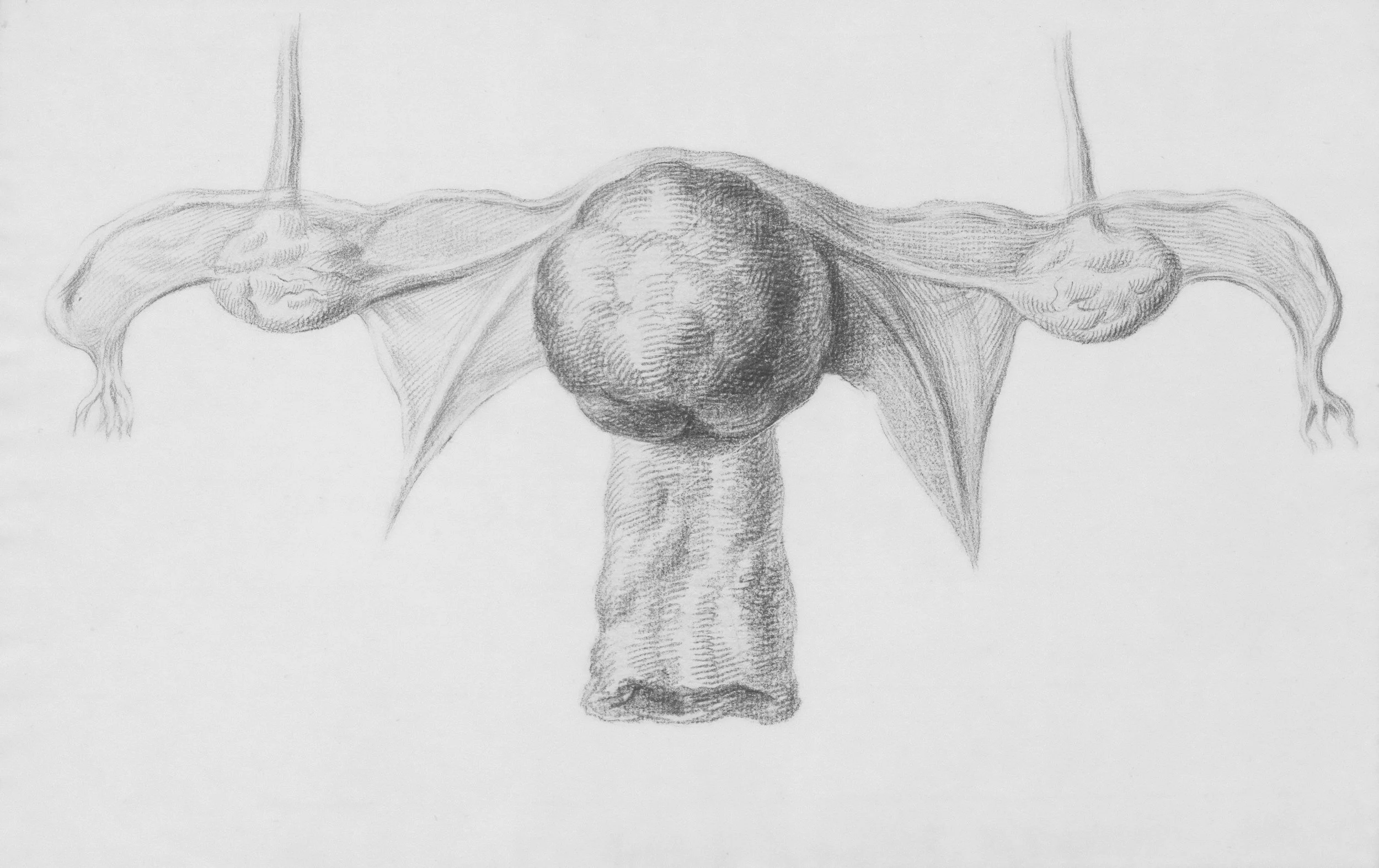
“CYSTS”
Despite the name, the “cysts” seen in PCOS are not actually ovarian cysts. They are multiple small follicles, tiny fluid-filled sacs within the ovaries that each contain an immature egg.
It is completely normal to see some follicles within the ovaries on ultrasound at any point in the menstrual cycle. Normally, hormonal changes throughout the cycle stimulate several follicles to begin developing, with one eventually becoming dominant, maturing fully, and being released during ovulation.
In some cases of PCOS/PMOS, ovulation may not occur regularly, causing follicles to remain underdeveloped and accumulate within the ovaries. On ultrasound, this can create the appearance of many small follicles arranged around the ovary, which historically led to the term “polycystic ovaries.”
The previous terminology also minimized how interconnected the condition truly is. PMOS can influence:
Blood sugar regulation
Insulin sensitivity
Inflammation
Metabolism
Skin health
Mood and mental health
Cardiovascular health
Ovulation and fertility
Energy production
Weight regulation
Reducing such a multifaceted condition to the appearance of the ovaries overlooked the lived experience of many women navigating symptoms that affected nearly every aspect of their wellbeing.
Why This Matters for Women’s Health
Historically, many women’s health concerns have been under-researched, misunderstood, or dismissed altogether.
Women experiencing fatigue, weight gain, irregular periods, infertility, mood changes, or hormone-related symptoms are often told their symptoms are “normal,” stress-related, or simply something they need to live with.
The renaming of PMOS represents something much larger than a medical reclassification. It reflects a growing understanding that women’s hormonal health cannot be viewed in isolation, but instead requires a more comprehensive and individualized approach that considers the entire body.
For us, this perspective is not new. Naturopathic approaches to hormone health have long recognized the interconnected relationships between insulin resistance, inflammation, stress physiology, metabolism, gut health, and reproductive function.
Rather than focusing solely on symptoms or ovarian findings, naturopathic medicine has consistently emphasized treating the underlying imbalances contributing to the condition as a whole.
Common Symptoms of PMOS
PMOS symptoms can vary widely depending on the individual and the underlying drivers involved.
Common symptoms may include:
Irregular or absent periods
Acne and oily skin
Excess facial or body hair growth
Hair thinning or hair loss
Difficulty losing weight
Fatigue and low energy
Sugar cravings
Brain fog
Anxiety or mood changes
Insulin resistance
Fertility challenges
Difficulty ovulating
Because the condition affects multiple systems in the body, symptoms are often interconnected rather than isolated.

Looking for Answers?
Explore how naturopathic medicine has long supported a broader understanding of PCOS, one that recognizes the hormonal, metabolic, and systemic factors now reflected in the transition to PMOS.
A Whole Body Approach to PMOS Treatment
One of the most important things to understand about PMOS is that treatment should never be one dimensional.
A comprehensive approach looks beyond symptom management alone and considers the underlying factors contributing to hormone and metabolic dysfunction.
This may include supporting:
Blood sugar regulation
Insulin sensitivity
Sleep quality
Stress and cortisol balance
Inflammation
Ovulation and menstrual health
Nutrition and protein intake
Strength training and movement
Gut health
Hormone balance
Every woman’s experience with PMOS is different, which is why individualized care is so important.
Looking Ahead
The transition from PCOS to PMOS will take time, and many clinics and healthcare providers will continue using both terms interchangeably during this period.
However, the significance of this change should not be underestimated.
For many women, the renaming of PMOS feels like long overdue recognition that their symptoms are real, complex, and deserving of deeper understanding and support.
More importantly, it reflects progress in how women’s health is being approached overall. It moves the conversation beyond simply treating symptoms and toward understanding the interconnected nature of hormones, metabolism, inflammation, and long term health.
And that is a very important step forward.

In my practice, I support patients with PMOS through an evidence-informed integrative approach that considers hormonal, metabolic, reproductive, and lifestyle factors together.
While the terminology may be evolving, my focus has always been the same: understanding and addressing the root contributors behind your symptoms, not just managing them on the surface.
If you’re ready to explore a more personalized approach to your care, I’d love to connect.
— Dr. Maria-Christina Conte, ND